




Learn about our local business compost collection program and how you can compost in the Spence Neighbourhood!
Local Business Compost Collection
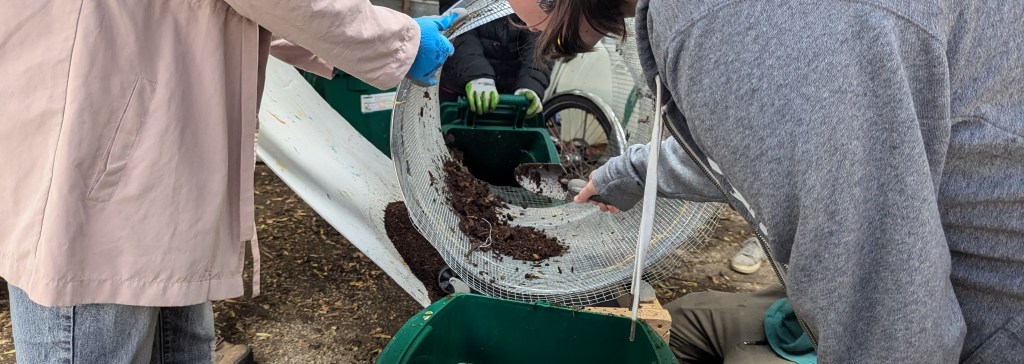
Our Environment and Open Spaces Program collects compost from businesses within the Spence Neighbourhood.
Composting at Home
The Spence Neighbourhood Association encourages all community members to compost at home!
To learn where to start, read the information below!
What Is Composting?
Composting is the natural process of breaking down organic material, such as kitchen and yard waste, to produce a nutrient-rich, soil-like material.
The process works with the help of micro-organisms such as bacteria and fungi combined with air and moisture.
Why Should I Compost?
Composting turns kitchen and yard waste into usable resources – for free. It benefits plants, trees and shrubs by returning valuable nutrients to the earth and increasing water retention of soil.
Composting reduces the amount of garbage sent to the landfill. Composting can reduce your household garbage by approximately one-half.
Where can I compost?
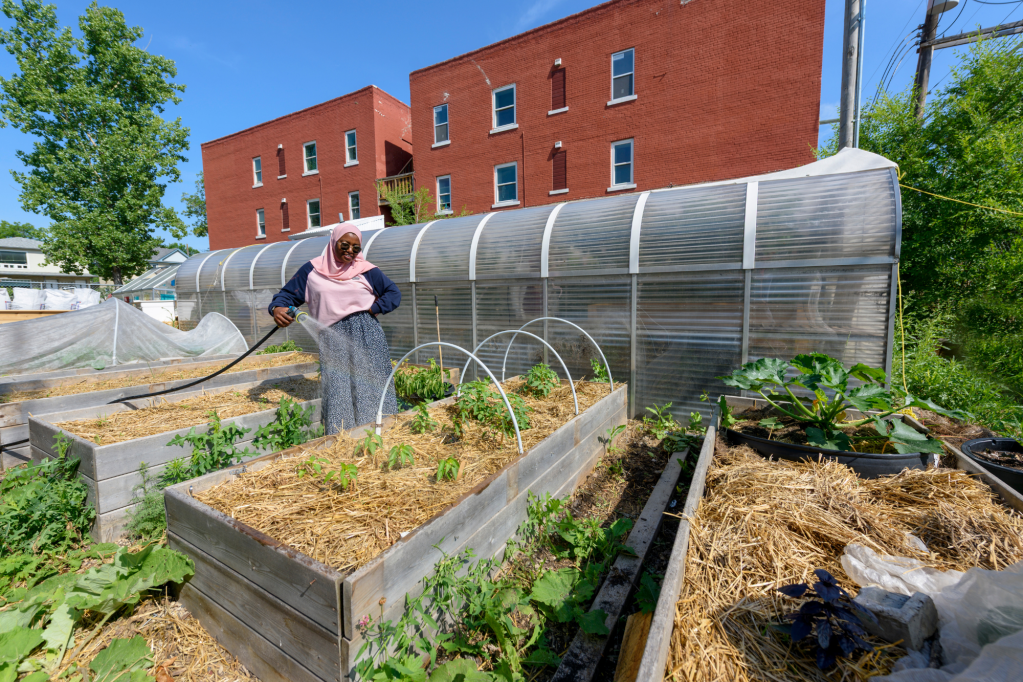
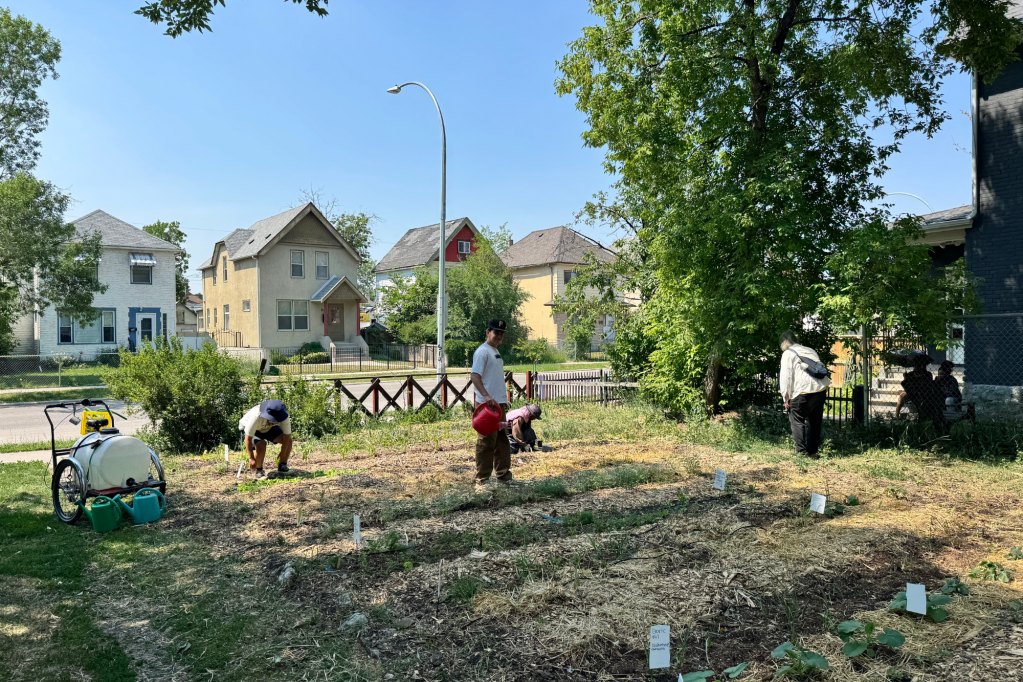
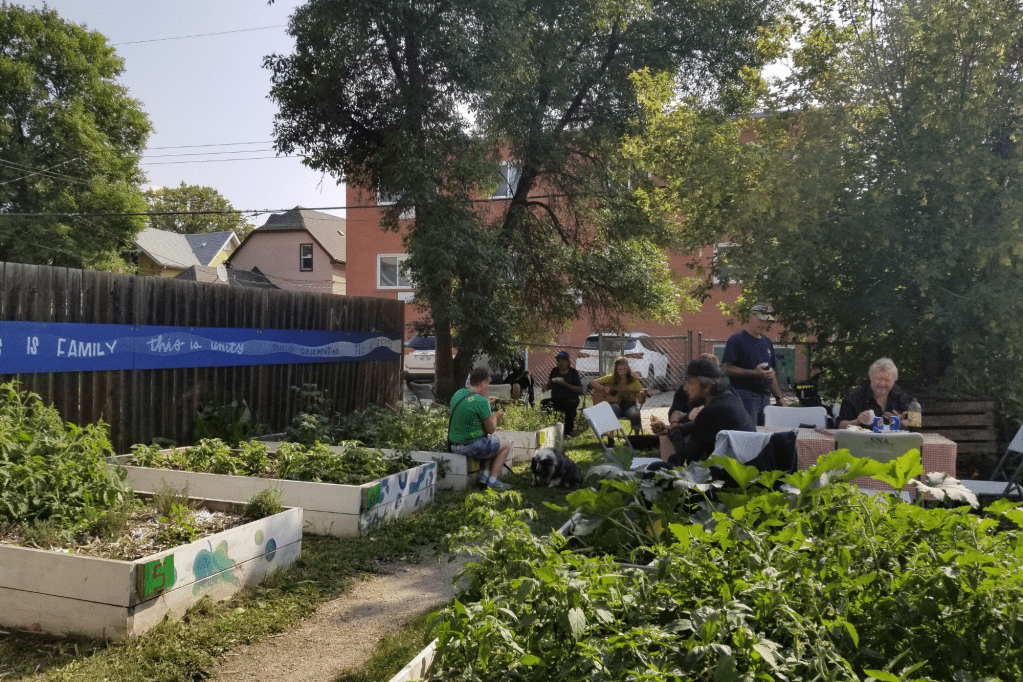
All community gardens have compost bins that are accessible to community members year-round.
Check out the garden locations below!
Co-op Community Greenhouse
Sunshine Garden
Garden L’espoir de Demain
Langside Garden
Ashley Hudson Memorial Garden
Kids’ Garden
Sheba’s Paradise
Agnes Garden
Agnes Green Space
What Materials Can Be Composted?
Most organic materials, such as:
Do not compost:
What Can I Do With The Finished Compost?
Finished compost is a free and natural alternative to store-bought chemicals and fertilizers and can be used in a number of environmentally friendly ways:
Reach out to our Environment and Open Spaces Coordinator!
Email: greenhouse@spenceneighbourhood.org
Phone: (204) 783-2834
This website uses cookies to improve your experience. We'll assume you're ok with this, but you can opt-out if you wish. Read More
Preferences